Tag: mental-health

  • Sauna and Cold Plunge: Benefits, Risks, and the Perfect Routine

    Sauna and Cold Plunge: Benefits, Risks, and the Perfect Routine

    Sauna + cold plunge: refreshing, addictive, and surprisingly good for you—if you know what you’re doing. Here’s your guide to safe contrast bathing.

    Sauna and Cold Plunge Benefits: What Science Says

    A study conducted by researchers at the University of Oulu in Finland, published in the European Journal of Applied Physiology, explored the effects of alternating sauna and cold plunge. The study found that this contrast therapy can improve circulation, boost endorphin levels, and enhance overall well-being. However, it also highlighted some risks, particularly for individuals with cardiovascular conditions.

    Cold Plunge Safety: Who Should Avoid It?

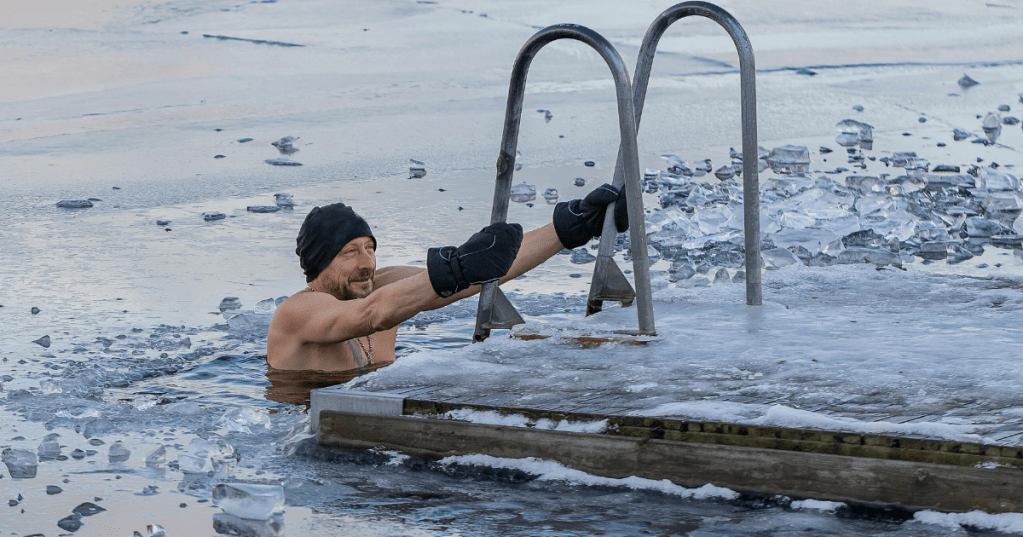
    For most healthy individuals, a cold plunge–or ice swimming, as we do it in Finland–following a sauna session is not dangerous. In fact, it can be invigorating and may even support recovery by reducing muscle inflammation.

    However, the rapid shift from extreme heat to icy water puts stress on the cardiovascular system. The study noted that people with heart conditions or high blood pressure should avoid extreme temperature changes, as they can increase heart rate and blood pressure dramatically.

    Your physical condition is also something to consider. When ice swimming, ensure you can exit the water anytime you need to.

    Ice Swimming and Winter Swimming: A Finnish Tradition

    In Finland, winter swimming—taking a dip in frozen lakes or the sea—is a well-loved activity, often paired with sauna use. Many Finns swear by the benefits of ice swimming, claiming it improves mood, increases circulation, and strengthens the immune system. The study supported some of these claims, noting that participants who regularly practiced ice swimming and sauna bathing reported feeling more energized and less stressed. We all want that, right?

    In recent years, cold plunges have gained popularity among biohackers and elite athletes looking to improve circulation, reduce inflammation, and sharpen mental clarity. Cold exposure, like ice swimming, has been linked to increased resilience, better circulation, and enhanced recovery after exercise. Many swear by the combination of sauna and ice swimming as a performance-enhancing ritual.

    Mastering the Sauna and Cold Plunge: Essential Tips

    To get the most out of your sauna and cold plunge experience, it’s essential to follow key safety guidelines and techniques. We’ve got you covered.

    • Never go ice swimming alone – Always have a friend nearby to ensure safety. One person should be in the water while the other waits on the dock or ice to assist if needed.
    • Start slow – If you’re new to sauna and cold plunge, ease into both of them. Start with a couple of minutes in sauna, and tip your feet to the cold water for ten seconds before walking straight into the icy water.
    • Remember to breathe – Ice swimming is an excellent way to practice your breathing. Stay calm, focus on your breathing, and let your body adjust to the cold.
    • Know your limits – If you feel dizzy, lightheaded, or uncomfortable, stop immediately. This one goes for both–sauna and cold plunge.
    • Stay hydrated – Drink plenty of water before and after your sauna session. 
    • Check your health – If you have any heart or circulation issues, consult a doctor before trying extreme temperature changes.

    The Verdict on Sauna and Cold Plunge

    So, is it bad to combine sauna and cold plunge? Definitely not. If you are healthy, and if it’s done correctly, this ancient practice can be both refreshing and beneficial. Just be mindful of your body’s limits, follow best practices, and enjoy the invigorating contrast of hot and cold. Want to learn more about sauna etiquette? Read more from our blog post!

  • Joe Rogan and Sauna: Why Is This Even a Thing?

    Joe Rogan and Sauna: Why Is This Even a Thing?

    Why is the internet obsessed with Joe Rogan’s sauna routine? Let’s unpack the hype—and invite him to try a real Finnish sauna while we’re at it.

    If you’ve ever Googled anything related to saunas, chances are you’ve stumbled upon one particular name over and over again: Joe Rogan. Yes, the legendary podcaster, comedian, and fitness enthusiast seems to have an entire corner of the internet obsessed with Joe Rogan’s sauna habits.

    But why? And more importantly, why do people care so much about it? We, as sauna-loving Finns, are here to investigate this phenomenon and maybe—just maybe—invite Joe to a real sauna experience in Finland.

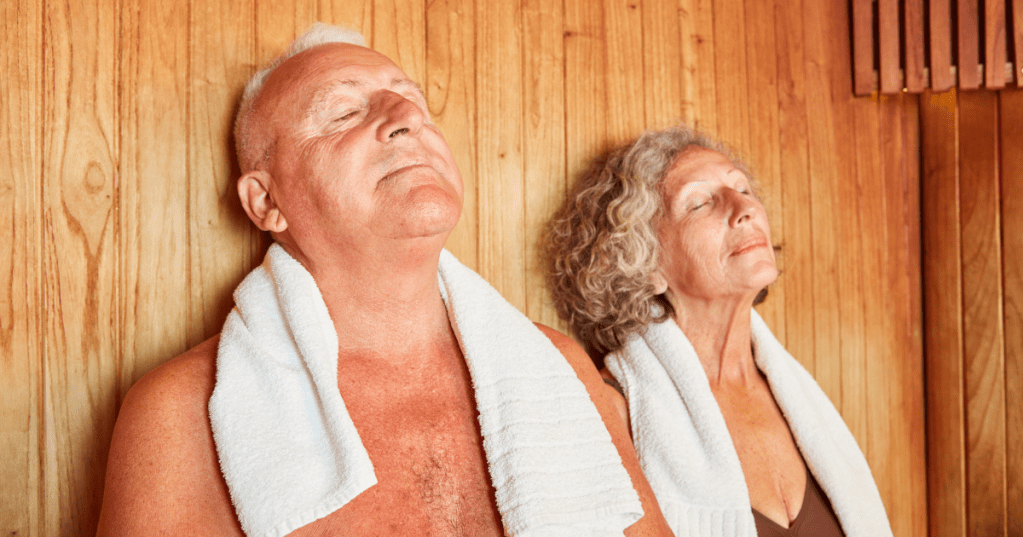
    Sauna is an excellent place for deep thinking like Joe Rogan – or silencing your mind.

    Joe Rogan Sauna: What’s the Hype All About?

    1. What temperature is Joe Rogan’s sauna?

    Oh, the suspense! The internet desperately wants to know how hot Joe likes it. But listen, folks—there’s no need to obsess over Joe’s thermometer. The optimal temperature for a proper sauna experience is between 70-80°C (158-176°F). If Joe cranks it up to 100°C, well, good for him! But the magic of sauna isn’t about chasing extreme heat—it’s about enjoying the warmth, the sweat, and the blissful relaxation that follows.

    If you want to know more about how long to stay and how to behave in the sauna, check out our guide on Sauna Etiquette.

    2. Does Joe Rogan use infrared or a traditional sauna?

    The real question should be: Does it even matter? But since you asked, let’s set the record straight. Infrared saunas are trendy and have their benefits, but they don’t hold a candle to the real deal. The Finnish sauna tradition is built around traditional wood-fired or electric saunas, where you throw water onto hot stones to create löyly, the sacred steam that defines the true sauna experience.

    The sound of the stove crackling, the feeling of löyly embracing your skin, the moment of pure release as you sweat out all the stress of the day—that’s what sauna is about. So whether Joe recommends infrared or traditional, our answer remains the same: Traditional sauna wins. Every. Single. Time.

    3. What kind of sauna does Joe Rogan recommend?

    We don’t know, and honestly, we don’t need to know. Sauna isn’t about celebrity endorsements—it’s about a centuries-old tradition rooted in relaxation, social connection, and overall well-being. If you need a recommendation, we’ll gladly give you one: Find yourself a proper traditional sauna, heat it up, throw some water on the stones, and thank us later.

    And if you’re curious about how this tradition began, dive into the history of sauna—it goes way beyond podcasts and protein shakes.

    4. How long does Joe Rogan do sauna?

    Whoever you are, reading this—don’t do what Joe does. Do what feels right for you.

    The right amount of time in the sauna depends on the heat level, your body’s tolerance, and how you’re feeling that day. If you start feeling dizzy, dehydrated, or uncomfortably hot—get out, cool down, and hydrate. An average sauna session can last anywhere from 10 to 40 minutes. On a nice summer day, running straight from the sauna to the lake and back, you can keep going for an hour or two. But remember, sauna isn’t a competition. It’s about peace, calm, and feeling good.

    It’s also worth noting that regular sauna use has been linked to various health benefits, including improved cardiovascular health and reduced risk of stroke. Don’t just take our word for it—check out this study published in Mayo Clinic Proceedings for more.

    Joe, Come Experience the Real Thing!

    Joe Rogan’s sauna habits have made the world pay attention—now let’s take things to the source. No gimmicks, no debates, definitely no politics—just a traditional sauna, the way it’s been done for thousands of years.You bring the podcast gear, we’ll bring the löyly. Deal?

  • Sauna and Stress Relief: The Heat You Need to Calm Your Mind

    Sauna and Stress Relief: The Heat You Need to Calm Your Mind

    Does sauna reduce stress? Science says yes—and Finns have known it for centuries. Sauna helps you unwind, relax, and reset. Now the research backs it up.

    But if you’ve ever asked yourself, does sauna reduce stress, the answer might surprise you. Research is showing that sauna bathing isn’t just a pleasant way to relax after a busy day; it’s an effective way to reduce stress, promote relaxation, and even boost your mental well-being.

    A study published in Frontiers in Human Neuroscience found that sauna and stress relief are closely connected, as sauna bathing can significantly alter brain activity, improving relaxation and emotional balance.The study observed changes in brain waves, particularly an increase in alpha and theta waves, which are associated with deep relaxation and calm. These findings suggest that sauna bathing may be an excellent tool for stress relief, relieving mental tension and improving emotional states (source).

    How Sauna and Stress Relief Are Connected – The Science Explained

    If you’ve ever felt deeply calm and centered after a sauna session, you’re not imagining it. Why do I feel so calm after sauna? It’s because of the physiological changes happening in your brain and body. When you sit in a sauna, your body temperature rises, and your heart rate increases. This mild stress on your body activates the parasympathetic nervous system—the “rest and digest” system—that helps you feel relaxed and restored after the sauna. At the same time, as mentioned earlier, the brain wave changes that occur during sauna bathing lead to heightened feelings of relaxation and mental clarity.

    Moreover, saunas have the added benefit of offering a peaceful, tranquil environment where you can disconnect from the outside world and focus on yourself. In a world filled with constant notifications and the hustle and bustle of life, this quiet space can be a sanctuary for mental peace. The sauna offers a break from modern-day distractions, allowing you to meditate, clear your mind, and give your brain a chance to reset.

    Are Saunas Good for Stress Relief?

    We often hear about the physical benefits of sauna bathing—improved circulation, muscle relaxation, and detoxification—but what about the mental and emotional benefits? Are saunas good for stress relief?

     The answer is yes! Sauna use has been linked to improvements not only in physical health but also in emotional balance and stress management.

    Regular sauna use has been associated with improved cardiovascular health, muscle recovery, and a strengthened immune system. But it doesn’t stop there. A study published in Clinical Effects of Regular Dry Sauna Bathing found that sauna bathing can significantly reduce psychological stress and promote overall well-being. The review suggests that regular use of the sauna can be an effective way to combat stress relief and support mental health (source)

    When you feel your heart rate increase in the sauna, it’s not just your body working to cool you down—it’s a signal to your body to release endorphins, the “feel-good” hormones. These endorphins promote happiness and relaxation, helping you deal with stress better. As a bonus, regular sauna use has also been linked to improved sleep patterns, another key factor in managing stress effectively.

    How to Stop Stressing? How to Deal with Anxiety? Try sauna!

    If you’re wondering, how to stop stressing or how to deal with anxiety, the sauna might be the perfect solution. The calm, warm environment provides an opportunity to escape from daily worries and unwind in a way that few other methods can replicate. Whether it’s a 15-minute sauna session after work or a longer visit on the weekend, making sauna bathing part of your routine can help you tackle stress head-on.

    Research supports this claim. A study published in Frontiers in Human Neuroscience found that sauna bathing significantly increases alpha and theta brain wave activity, which are associated with deep relaxation and emotional balance. These findings suggest that sauna bathing may be an effective tool for stress relief, relieving mental tension, and improving emotional states.

    The Science Behind Sauna and Stress Relief

    How does sauna bathing achieve all these benefits? When your body is exposed to the high heat of a sauna, your blood vessels dilate, increasing circulation and promoting the delivery of oxygen-rich blood to your muscles. This increased blood flow also encourages the release of toxins from your body. As your body works to cool itself down, your stress hormones (like cortisol) decrease, and your body enters a more relaxed state.

    Additionally, sauna use promotes the production of neurotransmitters like serotonin, the hormone responsible for regulating mood. The production of serotonin, combined with the calming effects of increased circulation and a quiet environment, is one of the reasons why many people report feeling uplifted and at ease after sauna sessions. These combined effects make sauna therapy a natural and effective solution for stress relief.

    Is Sauna Beneficial for Mental Well-Being?

    The short answer is yes, absolutely! While saunas are often praised for their physical benefits—such as muscle recovery and improved cardiovascular health—they also have a significant impact on mental well-being. Sauna bathing has been shown to reduce stress relief, improve mood, and foster a sense of relaxation and peace.

    It’s not just a luxury—it’s a powerful tool for mental health. Regular sauna use can help combat anxiety, depression, and even chronic stress, leaving you feeling more grounded and centered.Moreover, the effects of sauna on mental health aren’t just about feeling good in the moment. Some studies suggest that long-term sauna use may reduce the risk of certain mental health conditions, including depression and anxiety disorders. The stress-relieving benefits of sauna bathing may help support long-term mental well-being, acting as a natural shield against daily life pressures.

    Conclusion: Embrace the Calm

    If you haven’t yet made the sauna a part of your wellness routine, it’s time to give it a try. Whether you’re looking to reduce stress, alleviate anxiety, or simply feel better in general, saunas offer a simple yet powerful solution. By soothing both the body and mind, sauna bathing can help you manage the challenges of modern life with greater ease.

    For more insights into the mental benefits of saunas, check out this study on neural changes or this review on its broader health benefits.

    Want to experience the benefits of sauna for stress relief? Start incorporating it into your routine today and feel the difference!